
-
 East Alabama (256) 862-5234
 -
Metro Atlanta (770) 635-8421
Summary: Vinyl windows are one of the best window products. They require minimal maintenance but offer superior protection against heat and lower utility bills. Here, we provide a complete homeowners' guide to vinyl windows. We also compare vinyl with other window materials, such as wood and aluminum.
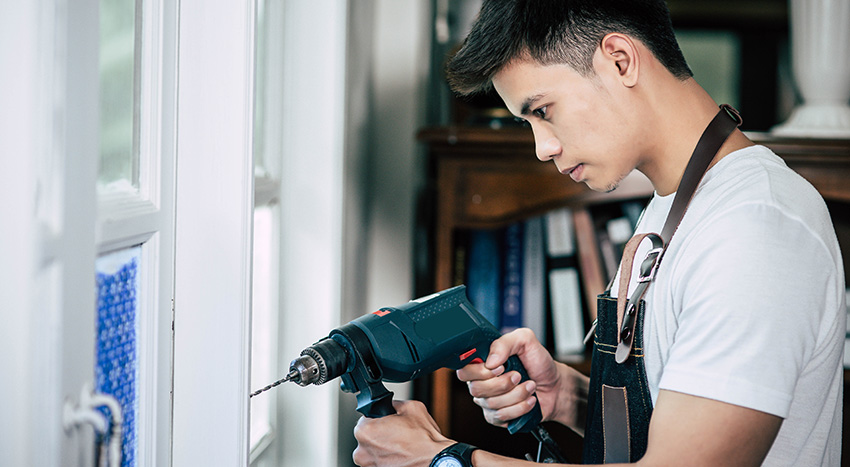
When you want to replace old windows or install new ones in your home, vinyl windows are one of the most popular choices among homeowners today. There are multiple reasons for this—they offer excellent energy efficiency, durability, and affordability. With vinyl windows, you can enjoy better insulation, reduced energy bills, and a more comfortable indoor environment, even during extreme weather conditions. Another significant benefit of vinyl windows is their minimal maintenance. Unlike wood, they do not rot, warp, or require frequent painting, making them a practical long-term investment.
Moreover, vinyl windows are available in a range of styles, colors, and designs, allowing homeowners to match them with their home’s architecture and personal preferences. However, before choosing vinyl windows, many homeowners have several questions to ask. How much do vinyl windows cost? Are they suitable for every climate? What does the window installation process look like, and how long does it take to complete? This guide is designed to answer all these questions and more. By the end, you will have a clear understanding of vinyl windows and be better prepared to make an informed decision for your home.
Vinyl windows are made of PVC (polyvinyl chloride) and are popular for their durability and low maintenance. PVC is the world’s third most common plastic, popular for its toughness, durability, and resistance to chemicals, water, and corrosion.
As a result, PVC windows/vinyl windows have these same characteristics. Except for hardware, all components, including vinyl window frames, sashes, drainage components, weatherstripping, and flashings, are made of PVC mixed with other materials.
At the beginning, we mentioned that these windows have several benefits, and that’s true. In the following points, we list the six vinyl window benefits for homeowners.
Aluminum and wood can allow heat and cold transfer, but that’s not the case with vinyl, as it’s naturally non-conductive. If you choose energy-efficient vinyl windows featuring double-pane glass, low-E coatings, and argon gas, you can enjoy next-level energy efficiency, as they offer superior insulation.
A fundamental advantage of vinyl over wood is the minimal maintenance requirement. The color is molded into the material, so it never needs refinishing. Moreover, you can keep them looking new with just water and soap.
Vinyl provides excellent value both upfront and in the long term. It is more affordable than wood, fiberglass, or aluminum windows. And with features, vinyl quickly pays for itself over time.
One of the major vinyl window benefits is their high weather resistance. Vinyl doesn’t rot, rust, corrode, warp, or even attract insects like aluminum and wood do, making it a long-lasting option for various climates. It doesn’t even warp, crack, or peel due to temperature fluctuations or sun exposure, thanks to UV stabilizers in the materials.
Vinyl windows are available in a variety of styles, including single-hung, double-hung, casement, and sliding options. You can also find colors and decorative grid patterns to complement almost any home architecture.
With regular care, maintenance, and proper vinyl window installation in Atlanta, high-quality vinyl windows can last for 20 to 40 years. Not to mention the features of these windows guarantee a high return on investment.
In the following sections, we discuss the window sizes and styles available in the market.
Here are the various window sizes for different spaces in your home.
Bedroom Windows
Sizes for bedroom windows are 36x48 inches or larger, but ensure that units meet requirements, such as minimum clear opening area, width, and height for emergency escape.
Kitchen Windows
You can choose 24x36-inch windows and have them installed above countertops for light and ventilation.
Bathroom Windows
Smaller windows, such as 24x24- or 18x24-inch units, are used in bathrooms for light and privacy.
Custom-sized vinyl window options are widely available. Manufacturers typically produce custom units within an eighth of an inch of the exact dimensions you select. Due to their flexibility, vinyl even allows making windows in various shapes, including full or quarter circles, hexagonal and pentagonal, arch heads, full chords, and elliptical shapes.
You can find double-hung, casement, sliding, picture, bay, bow, and awning windows in the market. Learn about them and pick the right one for your home.
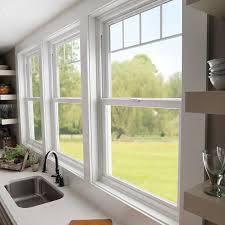
A classic and highly versatile style, double-hung windows ensure flexible ventilation with top and bottom sashes sliding up and down. They are easy to clean and can stay flush with the wall, making them ideal where exterior space is limited.
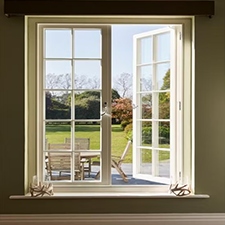
Casement vinyl windows are known for their sleek, contemporary appearance and excellent energy efficiency. They are hinged on the side and open outwards like a door. These windows provide unobstructed views and create a tight seal when closed, enhancing insulation.
If you have large wall space, sliding windows can be the ideal pick. They feature one stationary panel and one or more movable panels that slide horizontally. They are easy to operate, unobtrusive, and suitable for areas with limited vertical spaces, including above a kitchen counter.
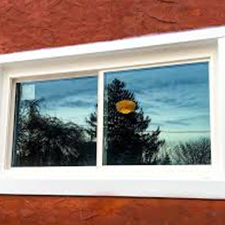
Picture windows are meant to maximize natural light and outdoor views. They consist of a large fixed glass pane and do not open. Due to being non-moveable, they are the most energy-efficient. Install picture windows to showcase a scenic view and create a dramatic focal point in your room.
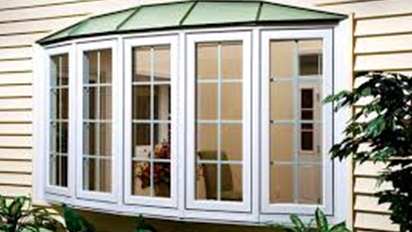
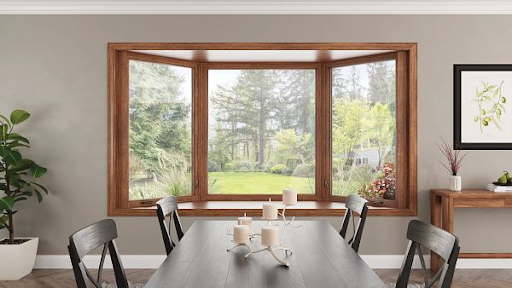
Both bay and bow windows extend outward from the home’s exterior, adding depth and character to it. Bay windows feature two side windows flanking a center picture window. Bow windows use more identical panels to create a sweeping curve. Both of them let in a significant amount of natural light and add an extra space to use as a window seat or for indoor gardening.
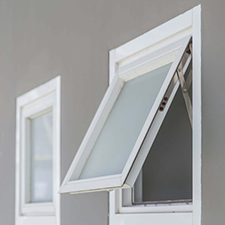
Awning windows are used with other types of windows in combination. They are called awning windows because they are hinged at the top and open outwards from the bottom, creating an awning effect. Due to their design, awning windows offer ventilation even during light rain.
Here, we discuss which windows are suitable for which space in your home.
You can place awning windows in your kitchen above the sink or counter. If you have a wide wall in your kitchen, sliding windows are a good choice.
In a living room, picture windows can offer a focal point and are an ideal choice. Another option can be bay and bow windows, which add a design statement to your room. If you are looking for a classic option, double-hung windows can perfectly blend with your room’s aesthetics and offer flexible airflow control.
Double-hung and casement windows are great for bedrooms. A double-hung window is easy to operate, provides good ventilation, and offers emergency exits. Meanwhile, casement windows offer maximum airflow and meet egress rules for larger openings.
Awning and small casement windows are suitable for bathrooms. When installed higher on the wall, awning windows can effectively release shower humidity while maintaining privacy. Similarly, small casement windows can secure privacy and offer ventilation when installed high up.
Consider sliding windows for basements, as they fit perfectly in available short openings. They are durable, easy to slide open, and effectively capture natural light.
For your dining room casement, choose between casement or bow windows. Casement windows allow easy operation at meal times, while bow windows create a sophisticated focal point for the area.
This section covers the vinyl vs. other materials comparison. So you can understand why it’s the best choice when you are prioritizing the budget.
Wood windows offer a classic appearance, but they demand frequent upkeep. Over time, wood can rot, warp, or attract pests, especially in humid or rainy climates. Vinyl windows, on the other hand, don’t swell or require anything more than basic cleaning. Moreover, they are pocket-friendly upfront and don’t need regular painting or sealing.
Aluminum windows are strong and lightweight, but they lack proper insulation. Aluminum conducts heat and cold, leading to energy loss and condensation issues. Vinyl windows offer superior insulation to maintain a comfortable indoor temperature and boost overall energy efficiency. It leads to lower utility bills and a comfortable indoor environment.
| Features | Vinyl Windows | Wood Windows | Aluminum Windows |
|---|---|---|---|
| Maintenance | Low | High | Low |
| Durability | High | Medium | High |
| Energy Efficiency | Excellent | Good | Poor |
| Cost | Affordable | Expensive | Moderate |
| Condensation Resistance | High | Medium | Low |
The table illustrates the vinyl vs wood windows and vinyl vs aluminum windows comparisons. From this comparison, it's clear that vinyl consistently offers the best combination of affordability, durability, and energy efficiency. For homeowners seeking long-lasting performance without constant maintenance, vinyl windows are the clear winner.
If you don’t know how to maintain vinyl windows and make them last longer, read the following points.
Vinyl windows require glass and frame cleaning, and track vacuuming every 6 months. Lubricate the hardware and inspect the weep hole, seal, and caulk annually.
Here is how you should clean vinyl windows.
Below are the points shedding light on how to prevent condensation and seal damage to your windows.
Condensation Prevention
Seal Damage Prevention
If you have installed vinyl windows in your home, read the following points and learn the mistakes to avoid so that your windows stay in good shape for a long time.
Abrasive tools or chemicals
Don’t use steel wool, scouring pads, or harsh chemicals, like bleach or ammonia, as they can scratch the surface and make it prone to staining.
Oil-Based Lubrication
Avoid using oil-based sprays for lubricating window hardware, as they attract dust and grit, making the window harder to open.
Painting the Vinyl
Paint can prevent the sash from sliding correctly and crack or peel due to contraction, so don’t paint your windows.
Forcing a Stuck Window
If your window doesn't open, don’t force it. It can lead to hardware breakage and warping.
Improper Caulking
Don’t caulk every bottom edge of the exterior window frame where it meets the sill; this can lead to water trapping inside the frame.
Choosing Based Solely on Price
Choosing based solely on price can lead to picking low-quality vinyl, which can become yellow or brittle over time.
Here is how a vinyl window installation goes.
| Features | Full Frame Installation | Pocket Installation |
|---|---|---|
| Cost | $1,300-$1,800 per window | $700-$1,100 per window |
| Labor Time | 4-8 hours per window | 2-4 hours per window |
| Viewable Glass | Maximum | Slightly Reduced |
| Structural Integrity | Resets the opening to new | Dependent on the old frame’s state |
| Customization | High | Low |
Here is how a window installation process goes on the scheduled day.
Measurement
The window opening is carefully measured from the top, middle, and bottom to ensure the new unit fits.
Site Prep
Professional window installers clear a 2-3-foot area around every window to be replaced and use drop cloths to protect the floor.
Inspection
New units are verified against your order specifications before removing the existing ones.
Removal of Old Windows
Sashes are removed when the opening is cleared of old caulk, debris, and insulation using a vacuum or putty knife.
Frame Preparation
The frame is inspected for rot or mold. Then, the self-adhesive flashing tape is applied to the sill. At last, shims are placed and secured on the sill to ensure the new window sits perfectly level.
Installing New Windows
The new window is placed in the opening, and a primary weather seal is created using a bead. The window is centered and adjusted with shims, and screws are driven through the pre-drilled holes for fastening.
Finishing & Sealing
Low-expansion polyurethane foam is applied in the window gaps. Backer rod and high-quality exterior-grade silicone caulk are used to create a watertight seal. Interior and exterior trim and moldings are reinstalled.
Final Inspection
Professional window installers test the sashes for smooth operation and confirm all locks engage correctly.
The following points cover what will happen at your home on the window installation day.
Arrival and Initial Walkthrough
The crew arrives and starts a walkthrough of your home. They confirm window locations, review the work plan, and address any last-minute queries.
Site Protection and Staging
Installers use drop cloths to protect floors, furniture, and nearby areas. Tools and materials are staged properly for an organized workplace.
Noise, Dust, and Temperature
You can expect noise and dust during the window removal. Window openings can affect indoor temperature for some time. But the crew works quickly to minimize discomfort and maintains cleanliness throughout the process.
Crew Roles and Speed
Each crew member is assigned a specific task, such as removing old windows, and another may install new units.
Completion and Review
After installation, the crew cleans the area and performs a final inspection. Then, they review the work with you, explain window operations, and address any concerns that you may have.
In the following points, we cover valuable insights about the window lifespan, durability, warranties, etc.
If you buy high-quality vinyl windows, expect them to last between 20 and 40 years. However, their actual longevity also depends on maintenance frequency and the quality of installation.
Manufacturer Warranties
The window manufacturer company provides this warranty. It guarantees the physical components of the unit, like the frame, glass, and hardware. A manufacturer's warranty can last for a lifetime, but only if you are the original homeowner.
Workmanship Warranties
Your contractor provides workmanship warranties, which include installation errors, sealing issues, and physical damage caused to the window during installation. A workmanship warranty can last for up to 10 years, but elite installers may offer a lifetime guarantee.
Factors that affect your vinyl windows’ durability are as follows:
Metal Composition & Quality
The durability of vinyl windows largely depends on the quality of PVC. High-grade vinyl resists warping, cracking, and fading.
Environmental & Climate Stressors
Extreme heat, cold, humidity, and UV exposure can influence the durability of vinyl windows. Quality windows can withstand harsh weather conditions and don’t discolor or become brittle.
Installation & Engineering Precision
Even the best vinyl windows can fail if installed incorrectly. Precise measurements, proper sealing, and expert installation prevent air leaks and structural problems. Excellent engineering ensures long-term durability and energy efficiency.
Maintenance Practices
These windows require minimal maintenance; however, bi-annual cleaning and inspection are needed.
Vinyl Windows Solutions is a reputable contractor that delivers excellent window products and installation with lifetime warranties on its products. It simply means that you can expect your windows to last longer if you call Vinyl Windows Solutions for your project.
Yes, vinyl windows are highly energy efficient. According to ENERGY STAR, replacing old windows with new vinyl units can save homeowners up to $465 annually.
The vinyl window cost can range from $300 to $900, depending on the quality and the contractor you choose. For instance, Vinyl Windows Solutions provides window products at unbeatable prices while guaranteeing quality.
Yes, vinyl windows are an excellent choice for hot climates due to their inherent energy efficiency and resistance to heat and moisture. They can be a great option to keep your utility bills down and your house cooler.
Replacing a vinyl window is easier said than done. Consider calling Vinyl Windows Solutions for your project, and enjoy hassle-free window replacement.
Vinyl windows are a smart investment for homeowners looking for durability, energy efficiency, and low maintenance without overspending. With the right product and professional installation, they can improve comfort, reduce energy costs, and add long-term value to your home. Vinyl Windows Solutions delivers high-quality vinyl windows with expert installation and lifetime warranties. Contact Vinyl Windows Solutions today and enjoy a quote.