
-
 East Alabama (256) 862-5234
 -
Metro Atlanta (770) 635-8421
Summary: Windows are more than just a means to protect against winds and rain. With the right design and materials, windows can reduce utility bills, maintain a peaceful indoor environment, and boost the home’s appearance. Here, we teach you everything about replacing windows in Atlanta and enjoy all these benefits.
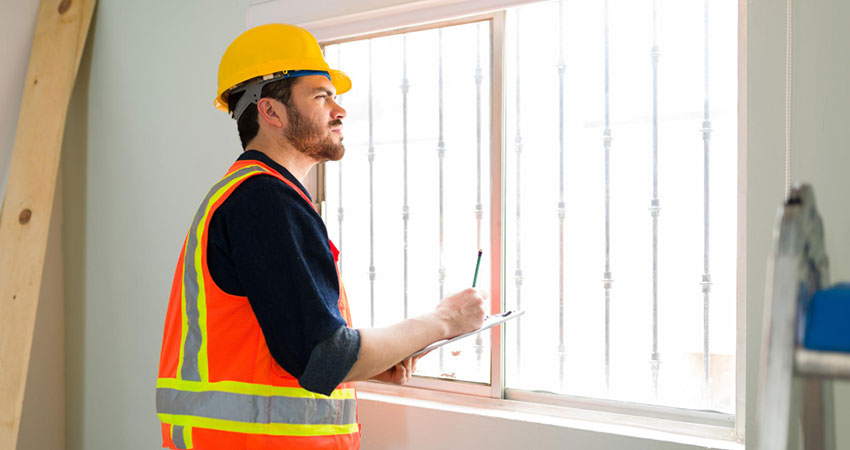
Spiking energy bills, drafty rooms with closed windows, or an old appearance of glasses are signals that you need window replacement in Atlanta. While replacing windows may look easy at first, the process quickly becomes confusing. It’s not just about changing glass—it’s about improving comfort, energy efficiency, safety, and the long-term value of the house. That’s why many homeowners invest in professional window replacement to get long-lasting results.
If you’re planning window replacement, learning where to start is necessary. With too many window styles, frame materials, glass options, energy ratings, and installation methods in the market, it’s easy to feel puzzled. Working with a reputable local professional, like Vinyl Window Solutions, can simplify the process. This guide breaks down all you need to know about window replacement, including costs, installation, and what to expect. Read the blog to make confident decisions for your home.
Window replacement refers to swapping old, inefficient home windows with new ones. It’s also helpful if existing windows are damaged. Unlike a simple repair, replacement includes updating the entire frame and window or just the windowpane, depending on the type of replacement.
There are two types of window replacement: full and pocket replacement.
Full Window Replacement: A full window replacement involves replacing the entire window, including the frame, sash, and trim. If you want a complete change in window style, you can choose this replacement.
Pocket Window Replacement: Also known as insert or retrofit window replacement, it involves swapping only the windows. The existing frame remains intact. If you are considering window replacement, but your frames are in good condition, pocket replacement is the right choice.
You can opt for professional assistance or take a DIY approach for window replacement. Professional assistance ensures excellent workmanship, warranty, code compliance, and other benefits.
Meanwhile, DIY saves labor costs but risks major issues, such as water damage, drafts, etc. If you have experience with window installation, then consider a DIY window installation.
If you are confused about whether to consider window replacement in Atlanta, look for the signs mentioned below.
If you feel cold or warm air near the windows when they are closed, it indicates failed seals. Drafty windows significantly compromise the comfortable indoor temperature, requiring the HVAC system to work harder at that time.
A sudden spike in utility bills is another signal that you should consider window replacement services and get new units installed. Drafty, old windows allow heat and cold to escape in winter and summer, respectively. Due to this, the HVAC system works hard, and utility bills spike.
Windows that stick, jam, or refuse to stay open feel annoying and pose safety hazards if you have children at home. It occurs due to warped frames, worn-out hardware components, or long-term damage from moisture.
Over time, seals fail, allowing moisture to trap between double- or triple-pane windows. After seals fail, windows lose their insulating ability, reducing energy efficiency and clarity.
Depending on the material, window frames can rot, crack, or warp, weakening their durability. It allows air and moisture to penetrate your house. Over time, it can lead to more costly repairs if not addressed.
If you can clearly hear traffic, neighbors, or street noise even after the windows are closed, seals may have failed. In this situation, you should consider window replacement in Atlanta.
Single-pane windows offer very little insulation compared to most modern options. They allow heat and cold to enter your home in summer and winter, respectively. It makes your house less comfortable and increases utility bills.
Windows with outdated designs can affect your home’s appearance. Replacing them with modern options can instantly give your house an updated appearance.
As windows age, their materials break down, seals fail, and performance declines. If your windows are 15-20 years old or more, they might require frequent repairs. Replacement is a far smarter option than that.
Peeling paint or window putty often signals moisture damage. It can result in rot, air leaks, and reduced insulation, making window replacement a more effective long-term solution.
Do you plan to replace windows in Atlanta? That’s good, but don’t just hire professional window replacement services. You also need to pick the right window. As there are different types of windows, making the right choice is tough; keep reading and explore the options.
If you are considering new windows for your home, double-hung windows are the first option. These are a classic choice featuring two operable sashes in the top and bottom that slide vertically.
They offer excellent ventilation and modern double-hung windows with tilting sashes for easy cleaning. They are perfect for upper floors and any level where both sashes are accessible. Installing double-hung windows costs more, and they have a higher potential for air leaks.
Single-hung windows have a fixed top sash and a bottom sash that slides up for ventilation. These windows offer a classic look, better energy efficiency, and are more pocket-friendly than double-hung options.
They are ideal for ground floors, utility areas like basements, and garages. Only the bottom sash moves, so these windows offer limited ventilation and are difficult to clean from the outside.
Casement windows are side-hinged windows that open outward or inward, similar to doors, operated by cranks or handles. They feature an awe-inspiring design, are easy to clean, and offer great ventilation and outdoor views. Casement windows are best for kitchens, living rooms, bathrooms, and bedrooms.
These windows require external clearance due to constant exposure to heavy wind or rain. They have size limitations and generally cost more than other options. Not only this, but the crank mechanisms also require maintenance.
Sliding windows move horizontally for ventilation and are cost-effective. These windows require minimal space, have a versatile design, and are easy to operate. The only thing bad about sliding windows is the limited ventilation they offer due to one side being open at a time.
Sliding windows are ideal for kitchens, living areas, bathrooms, bedrooms, and balconies. Sliding windows can have water and air leaks due to imperfect seals and have a limited opening size compared to the total window area.
Picture windows are large, fixed glass panes meant to frame outdoor views. They flood the room with natural light, create a stunning focal point, and offer better insulation with fewer gaps.
However, these windows don’t provide ventilation, can lead to excessive heat gain in summer, and may compromise privacy. Picture windows are best for living rooms, dining areas, or bedrooms.
Bay windows are 3-panel windows that project outwards from a wall, creating extra interior space. They have a central fixed window flanked by angled windows, offering more natural light and panoramic views.
Angled windows can be opened, offering ventilation. Bay windows are costly due to the complex installation, are energy inefficient, and make rooms harder to cool. They are best for living rooms, kitchens, or bedrooms.
Bow windows are multiple-panel windows that project outwards to create a bow shape. These windows increase natural light in rooms, offer a versatile spot for seating, plants, or decor, and add curb appeal to the exterior of a home.
However, bow windows are costly, high-maintenance, require a complex window installation process, and are heavier than most windows. These windows are suitable for dining rooms, living rooms, or master bedrooms.
Hopper windows are inward-tilting windows, hinged at the bottom, ideal for small spaces, such as basements, bathrooms, and laundry rooms. These windows offer decent ventilation and light while maintaining privacy and security. They have a limited view due to their small size and poor rain protection when left open.
Tilt & turn windows can be another decent option if you are considering new windows for the home. These are dual-functional windows that either tilt inwards from the top or swing fully inwards like a door. They offer secure, rain-protected ventilation, airflow, easy cleaning, and emergency egress.
However, tilt & turn windows require costly repairs, need space to open inwards, and have a high initial cost. You can install tilt & turn windows in bedrooms, kitchens, basements, and multi-story homes.
Skylight windows are transparent or translucent roof structures that take natural light and ventilation into buildings. They significantly improve ambiance and reduce energy costs. There are fixed, venting, and tubular skylight windows. These windows may lead to excess heat gain in summer, resulting in higher utility bills, and are difficult to clean.
Louvered or jalousie windows feature parallel slats of glass, wood, or metal that pivot open or close in unison via a crank. They maximize airflow, offer light and privacy control, protect against rain, and give a retro or tropical look.
These windows have poor insulation and energy efficiency due to gaps that let in drafts and pests. You can get these windows installed in sunrooms, bathrooms, kitchens, garages, and sheds.
Clerestory windows are high-placed windows, above eye level, installed in the upper part of a wall below the roofline. They bring natural light, ventilation, and architectural interest into a building while maintaining privacy. Clerestory windows are used in schools, offices, and public halls for daylighting, but have a high installation cost and are difficult to clean.
French windows are tall, double-sashed windows, expanded from floor to ceiling. They open outwards or inwards, similar to doors. With these windows, you can enjoy abundant light and air indoors with a seamless transition between indoors and outdoors. These windows add aesthetic appeal to any space and make rooms feel larger.
French windows are great for living rooms, bedrooms, dining areas, study rooms, or connecting terraces or patios. Before installing French windows, learn that they require significant space for their swing, offer low energy efficiency, and cause privacy concerns.
Dormer windows project from sloped roofs to add natural light, ventilation, and usable headroom to attics or upper floors. These windows offer views and ventilation, adding aesthetic interest to a home’s exterior. However, dormer windows need proper waterproofing.
Gable windows serve as an architectural feature and are installed in the triangular upper wall section beneath a sloped roof in upper rooms. These windows add light to dark places and are customizable. However, they can sometimes pose energy efficiency challenges and require specialized blinds or shading solutions.
Awning windows are top-hinged windows that open outward from the bottom, creating a canopy-like shield. They are ideal for kitchens, bathrooms, and basements, offering good energy efficiency, weather protection, and security. The only thing bad about awning windows is that they quickly get dirty due to how they open.
It’s a 3D box-shaped window that projects outwards from a wall, creating a mini-greenhouse for growing plants, herbs, and seedlings indoors. These windows offer a perfect spot for year-round gardening, maximize natural light, and add space and depth to the room.
They are best for kitchens, but can also be installed in sunrooms, dining rooms, and bedrooms. Finding the right spot to install garden windows is difficult.
From the above points, you have learned about different windows and selected a suitable option. But don’t call window installers just. You need to select the right material for a professional window replacement in Atlanta.
Vinyl windows, made of polyvinyl chloride (PVC), are a type of plastic. If you choose vinyl window replacement, that’s a great decision, as it is an energy-efficient, affordable, and low-maintenance material. These windows come in a variety of styles, including single-hung, double-hung, casement windows, etc.
Cost: $350 to $800
Wood windows offer timeless beauty, excellent insulation, and customization. These are best for both traditional and modern homes but require maintenance; otherwise, they can warp or rot. With regular maintenance, a wood window can outlast other materials.
Cost: $600 to $1,300
Aluminum windows are durable, low-maintenance, and versatile, known for their sleek, modern look, offering strength, weather resistance, and energy efficiency. They are best suited for modern and contemporary homes and urban apartments.
Cost: $200 to $1,500
Fiberglass windows are durable, energy-efficient, and made of glass fibers and resin and they are good for energy-conscious homes.
Cost: $400 to $1,000
Composite windows are made of a blend of plastics, metals, and recycled wood. These windows require minimal maintenance while still insulating your home. However, they are pretty costly.
Cost: $300 to $1,800
When considering window replacement in Atlanta, you won’t just choose any unit based on price only, right? Here are some energy-efficient options to explore and choose from.
Cost: $500 to 1,200
Low-E, or low-emissivity, glass is energy-efficient glass that includes an invisible metallic coating that reflects heat. Windows made with this glass offer the same benefits.
Cost: $300 to $1,100
Double-pane windows feature two glass layers with an insulating gas, like argon or krypton, in between. It significantly boosts energy efficiency, reduces noise, and prevents condensation better than single-pane windows.
Cost: $500 to $2,000
Triple-pane windows feature three panes of glass with two insulating gas-filled gaps. They offer superior energy efficiency, noise reduction, and condensation control compared to double-pane windows.
Cost: $1,000 to $4,000
U-factor measures insulation and resists heat flow out. On the other hand, SHGC (Solar Heat Gain Coefficient) measures solar heat. You should choose a low U-factor and an SHGC-rated window.
Cost: $13 to $3,4
Here is a detailed breakdown of the window replacement process. Remember, we are assuming that your selected windows are ordered and that hired window installers have arrived at your home.
Professionals start the process by inspecting your existing windows and their frames. Accurate measurements are taken to ensure a perfect fit and performance of the new windows.
Then the old windows are carefully removed while keeping the surrounding wall or frames intact. It is to ensure the new installation goes smoothly.
Once the old window is out, the frame is cleaned, repaired, and leveled if needed. If found, signs of rot, moisture damage, or gaps are addressed before installing the new units.
The new window is placed into the opening and aligned properly. It’s secured in place using mechanical fasteners, with shims for leveling and non-expanding foam for insulation/sealing.
Insulation is added around the window to prevent air leaks and improve energy efficiency. High-quality sealing keeps moisture, drafts, and outside air from penetrating your home.
After the installation is complete, window installers remove debris and clean the area. At last, you conduct a final inspection to ensure the windows open, close, and are sealed.
We are halfway through this blog and are about to learn about the cost of window replacement in Atlanta.
The average window replacement costs per unit depend on the window type, size, glass features, and installation complexity. Most homeowners fall within this range for a regular residential window replacement.
Cost: $350 - $1,200
Vinyl windows are the most popular choice because they are pocket-friendly, require low maintenance, and are very durable. They offer decent insulation and work well in Atlanta’s climate.
Cost: $350 - $800
Energy-efficient windows, like low-e glass and Energy Star options, cost more due to their features. However, they help you lower energy bills over time and maintain a comfortable indoor temperature, making them a great choice.
Cost: $500 - $1,200
Labor costs for window replacement vary based on size, installation difficulty, and the structure of your home. In Georgia and Alabama, professional window replacement services charge per unit.
Cost: $150 - $300
Above, we mentioned that factors, including window size, type, etc., affect the replacement cost. Let’s dive deep and gain a better understanding of it from the following points.
The design and functionality of windows play a significant role in costing. For instance, complex styles like bay, bow, or custom-shaped windows have higher costs.
Standard-sized windows are more affordable than custom-sized ones that require specialized manufacturing.
The material choice influences the initial cost, durability, and maintenance needs. Like fiberglass and wood, they are expensive, while vinyl and aluminum are cost-effective options.
The type of glass you choose is a key factor in the total cost. Options like double pane, insulating gas, and low-e coatings offer great energy efficiency but are costly.
An easier installation means a pocket-friendly process, while a complex process can increase the charges.
The skill and experience of professional installers influence the price. New installers can complete your project without charging premiums, but may fail to deliver excellent installation.
Replacing one window at a time can lead to a higher cost, while handling multiple units at once can allow you to enjoy discounts.
Local market conditions in your area, including labor rates, material availability, and building codes, can cause the price to vary.
Extensive warranties or certifications can potentially increase the upfront cost, but they offer long-term benefits.
There are additional hidden expenses, such as the removal and disposal of windows, among others. It can also impact the project cost.
Note: Vinyl Window Solutions offers free estimates and competitive pricing.
It is the final section of our blog, and tells how to choose the right window installer for window replacement in Atlanta.
Confirm that your selected company has the required local and state license and carries both liability insurance and workers’ compensation.
They should have experience with your window. Suppose you are choosing vinyl window replacement; then your contractor should have experience with this material.
Confirm the quality of windows and ask the contractor about warranties on products and installation. Professional companies always provide warranties, ensuring homeowners’ peace of mind.
Ask your friends, family, and neighbors for referrals, and check online reviews on Google and the BBB (Better Business Bureau). Look for consistent positive reviews.
Discuss the pricing structure and project completion timing with the company. During the discussion, pay attention to their communication skills. A reliable professional is always responsive, punctual, and willing to answer all your questions.
Select a window installer with specialized knowledge related to GA and AL codes and expertise in the process. You can ask the contractor for references from past clients and see photos of their past work.
Look for certifications from recognized industry organizations, like the American Window and Door Institute (AWDI) or the National Fenestration Rating Council (NFRC). They indicate adherence to industry standards and training.
Don’t hire the first window installer you come across, even if they seem to be professional. Always get detailed quotes from multiple companies and compare them to pick the most suitable option.
A professional window replacement takes 30 minutes to 1 hour per window. A full house project, requiring the replacement of 10 to 15 windows, can take 1 to 2 days.
The best time to replace windows is during the fall or spring, thanks to the moderate weather. It ensures proper sealant cure and keeps your home comfortable during a window installation.
Yes, vinyl windows are generally considered a worthwhile investment due to their excellent balance of affordability, energy efficiency, and low maintenance.
After replacement, windows can last between 15 and 20 years when properly maintained. The lifespan depends on factors such as material, window quality, installation quality, etc. Some high-quality windows even last for 40 years or more.
Yes, if you are installing new energy-efficient windows in your home, they will certainly lower your energy bills.
Check whether the company offers free estimates. Vinyl Window Solutions does offer free estimates for window replacement and installation.
Are you feeling overwhelmed after reviewing multiple windows for window replacement in Atlanta? Then, you are in the right place; we are Vinyl Window Solutions, your reliable window contractor. We offer free window installation, replacement estimates, and inspections. Our services are available at unbeatable prices and are backed by lifetime warranties. Pricing starts at just $224. You need to order at least 4 windows. Contact us and book your consultation today.