
-
 East Alabama (256) 862-5234
-
Metro Atlanta (770) 635-8421
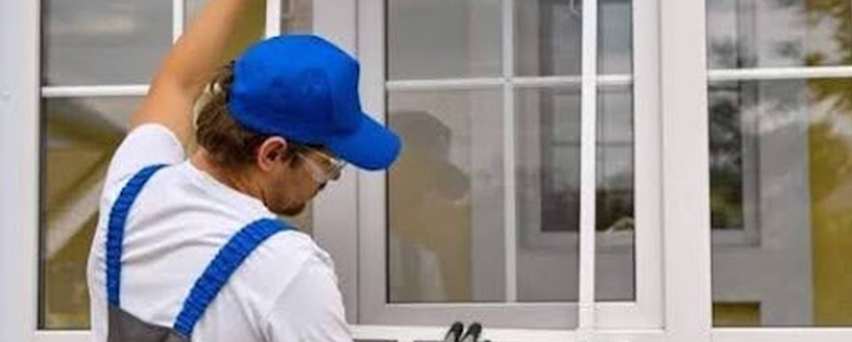
Planning to replace windows? The right set of units and materials can make your investment more than worth it. According to the U.S. Department of Energy, efficient windows may reduce utility costs by between 7 percent and 15 percent. Additionally, installing new windows will raise the market value of your home and improve general interior comfort levels. But you shouldn’t just go with window replacement in any season. Opting for the project at the right time can make the process easier and save installation costs. Today we will talk you through different seasons and the benefits and disadvantages of getting your windows installed at that time. So, let’s start.
Here’s how different seasons can affect your window replacement experience.
The spring months plus early summertime usually represent the most active periods regarding window installations. Why? It’s because of the mild weather that makes installation easier.
Caulking works best in mild temperatures between 4°C and 32°C that spring and early summer weather offers. When temperatures rise higher or drop lower, the sealant may flow excessively or set before it should.
When weather stays cool, builders may fit and check window frames with little need for extra heat or cooling systems.
In mild weather, you don’t need to crank up your furnace or air conditioning to deal with drafts when windows are getting installed.
Pros:
Cons:
The autumn season serves as an excellent time for replacing windows since it allows homeowners to get maximum savings. Temperatures remain gentle yet dropping, meaning you might have to delay slightly and choose less busy installers.
Temperature Considerations
Typically, fall temps work well for window jobs, plus caulk still sets fine.
Less Disruption
You could see quicker help along with fewer timetable clashes because the time period has lower traffic.
Energy Savings Before Winter
Changing out old panes prior to cold weather helps close up the house and cut down on warmth escaping when temps fall.
Pros:
Cons:
People avoid replacing windows in winter, but it’s a viable option. It can be favorable for homeowners in areas with milder winters.
Handling Cold Weather
Cold may slow down the window project. Applying sealant and fitting components becomes harder when it is very cold and might require added steps to stop air leaks from forming.
Increased Furnace Usage
The heat inside your room may drop during the installation of the system and thus cause an increase in heating bills in the short term.
Discounts
Many companies offer lower prices and good deals during off-peak time, which makes winter a reasonable time for this kind of work.
Pros:
Cons:
Summer, especially during the hotter days, is typically the least favorable time for window replacement. Though window installation is possible in summer, heat can pose major challenges.
High Heat and Humidity
Window installation is a no-brainer in peak summer and humid areas, as it affects both the contractor’s performance and the caulking. Excessive heat makes the caulk run, while high humidity interferes with proper sealing and curing.
Air Conditioning Use
Your air conditioning might not stop running in the hottest months. This could lead to higher utility bills due to open windows during installation.
Long Wait Times
Since summer represents the high point for house remodeling jobs, builders might have schedules filled many months ahead.
Pros:
Cons:
Are you noticing cracks, warping, window damage, foggy glass, soft or slimy wood, or rising utility bills? They all signal it’s time to consider window replacement. Different seasons offer benefits and disadvantages for your project. So, you need to figure out your goals. Whichever season you may choose, always hire a professional window contractor like Vinyl Window Solutions. We are professional and experienced window installers who provide high-quality window installation services at affordable prices. Contact us to book your consultation and discuss your project needs with us.
The decision to replace windows does not depend only on their age. The condition of windows should be checked, and only the specific conditions should be checked for this purpose.
Fiberglass windows have the longest service life among all kinds of windows.
The best windows for winter conditions are triple-pane casement windows with fiberglass or vinyl frames and Low-E glazing.
When buying new windows to replace old ones, look closely at what the frames are made from, check the scores for how well they save energy, see what kind of glass is inside, think about how they will be put in, and read the promises made by the maker regarding repairs.